
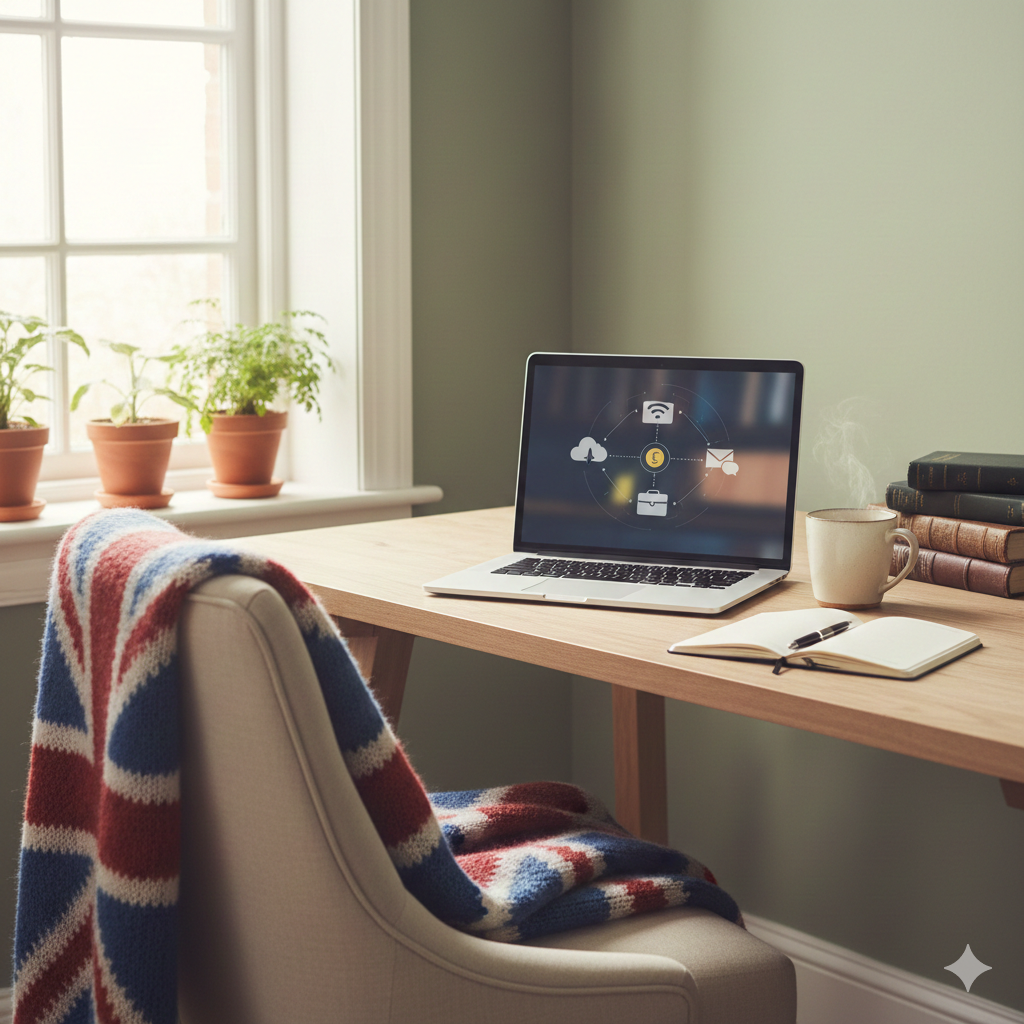
Best Work From Home Jobs in the UK for Beginners (2026 Complete Guide)
Working from home in the UK has changed from a temporary trend into a long-term career option. Today, students, stay-at-home parents, career switchers, and even professionals are choosing remote work for flexibility, better work–life balance, and reduced commuting costs.
However, beginners often face one big problem: knowing which work-from-home jobs are genuine and suitable for someone with little or no experience. This guide is written specifically for the UK audience, based on real market demand and realistic expectations — not unrealistic “get rich quick” ideas.
If you are starting from scratch, this article will help you understand which remote jobs actually work in the UK and how to approach them safely.
Why Work From Home Is Growing Rapidly in the UK
Over the past few years, many UK companies have shifted to flexible working models. Employers now realise that productivity does not always depend on office presence.
Key reasons work-from-home jobs are growing in the UK:
- Rising commuting and living costs
- Flexible working rights for employees
- Increased demand for digital skills
- Reliable internet access across most UK regions
- Global hiring by UK and international companies
As a result, remote roles are no longer limited to tech professionals. Beginners can now find legitimate entry-level opportunities if they know where to look.
1. Remote Customer Support Jobs (Beginner Friendly)
Remote customer support is one of the most accessible work-from-home jobs in the UK.
What the job involves:
- Answering customer emails or live chats
- Handling basic phone support
- Assisting customers with orders or services
Why it suits beginners:
- Little or no experience required
- Training usually provided
- Fixed working hours and stable income
Many UK businesses, including online retailers and service providers, outsource customer support roles to remote workers. This makes it an excellent starting point for people entering remote work.
2. Freelancing: A Flexible Work-From-Home Option
Freelancing is one of the most popular ways to work from home in the UK, especially for beginners willing to learn basic digital skills.
Beginner-friendly freelance skills include:
- Content writing
- Social media management
- Data entry
- Basic graphic design
- Virtual assistance
Freelancing allows you to work with UK or international clients while setting your own schedule. Although income may be low at the beginning, consistency and skill improvement can lead to steady earnings over time.
3. Online Tutoring and Teaching Jobs
Online education has grown significantly in the UK. Many parents and students prefer remote learning for flexibility and convenience.
What you can teach:
- GCSE and A-Level subjects
- English language
- Maths or science basics
- Skill-based lessons (basic computing, study skills)
This role is ideal for:
- University students
- Graduates
- People with teaching experience or subject knowledge
Online tutoring offers flexible hours and is considered a trustworthy and long-term remote career path.
4. Virtual Assistant Jobs in the UK
Virtual assistants (VAs) help businesses manage daily tasks remotely.
Common tasks include:
- Managing emails and calendars
- Scheduling appointments
- Research and data organisation
- Basic admin support
Many small UK businesses and solo entrepreneurs hire virtual assistants to reduce overhead costs. This role suits organised individuals who are comfortable using basic digital tools.
5. Content Moderation and Online Review Roles
Content moderation is another legitimate work-from-home option available in the UK.
What the job includes:
- Reviewing user-generated content
- Categorising posts or comments
- Ensuring platform guidelines are followed
These roles usually require:
- Attention to detail
- Consistency
- Basic digital literacy
While not glamorous, content moderation jobs offer stable remote work for beginners.
6. Entry-Level Remote Admin & Data Roles
Some companies offer remote administrative roles that do not require advanced skills.
Typical responsibilities:
- Data entry
- Updating spreadsheets
- Managing records
- Supporting internal teams
These jobs are suitable for people who prefer structured tasks and predictable work.
How Much Can Beginners Earn Working From Home in the UK?
Income depends on the role, experience, and hours worked.
General expectations:
- Entry-level remote jobs: modest but stable income
- Freelancing: slow start, scalable over time
- Tutoring: hourly pay depending on subject
Beginners should focus on skill development and consistency, rather than quick earnings.
Avoiding Work-From-Home Scams (Very Important)
From real experience, beginners in the UK must be careful of scams.
Red flags to avoid:
- Requests for upfront fees
- “Guaranteed income” promises
- Jobs advertised only via WhatsApp or Telegram
- Poorly written job descriptions
Legitimate work-from-home jobs:
- Have clear responsibilities
- Offer contracts or written terms
- Pay through recognised methods
EEAT Perspective: Realistic Experience & Trust
Working from home is not a shortcut to instant success. Most people who succeed in remote work do so by:
- Learning one skill properly
- Starting with beginner-friendly roles
- Staying consistent over time
The UK remote job market rewards reliability, communication skills, and professionalism more than hype.
Final Thoughts
Work-from-home jobs in the UK are real, legal, and sustainable, but they require patience and realistic expectations. Beginners should start small, choose legitimate roles, and focus on long-term growth.
With the right approach, remote work can become a stable and rewarding career path.
👉 Working from home is not about luck — it’s about skills, trust, and consistency.
FAQs – Best Work From Home Jobs in the UK
Q1. Are work from home jobs legal in the UK?
Yes, work from home jobs are completely legal in the UK as long as the employer follows UK employment laws and pays through recognised methods. Many UK companies now offer remote roles permanently.
Q2. Can beginners really get work from home jobs in the UK?
Yes, beginners can start with entry-level roles such as customer support, virtual assistance, online tutoring, and basic freelancing. Most of these jobs provide training or require only basic digital skills.
Q3. Do I need to register as self-employed to work from home in the UK?
It depends on the job. Freelancers and independent contractors usually need to register as self-employed with HMRC, while employed remote workers do not.
Q4. How much can beginners earn working from home in the UK?
Earnings vary by role and hours. Beginners should expect modest income initially, with higher earning potential as skills and experience improve over time.
Q5. Are work from home jobs safe in the UK?
Yes, but only if you apply through trusted platforms and avoid jobs that ask for upfront fees or promise guaranteed income. Always research the company before applying.
Q6. What skills are most in demand for remote work in the UK?
Communication skills, basic computer literacy, organisation, content writing, customer service, and digital marketing skills are consistently in demand in the UK remote job market.
This article is based on real market trends, UK employment practices, and practical experience with remote work roles. Digital Valley aims to provide accurate, up-to-date, and trustworthy information for UK readers.